Relocating to the United States remains a major goal for millions of people worldwide seeking better economic opportunities, advanced education, security, and long-term stability.
In 2026, the U.S. continues to offer multiple legal pathways for immigrants to enter the country, establish lawful residence, and eventually become citizens. However, achieving this goal quickly requires proper planning, accurate information, and strict adherence to U.S. immigration laws.
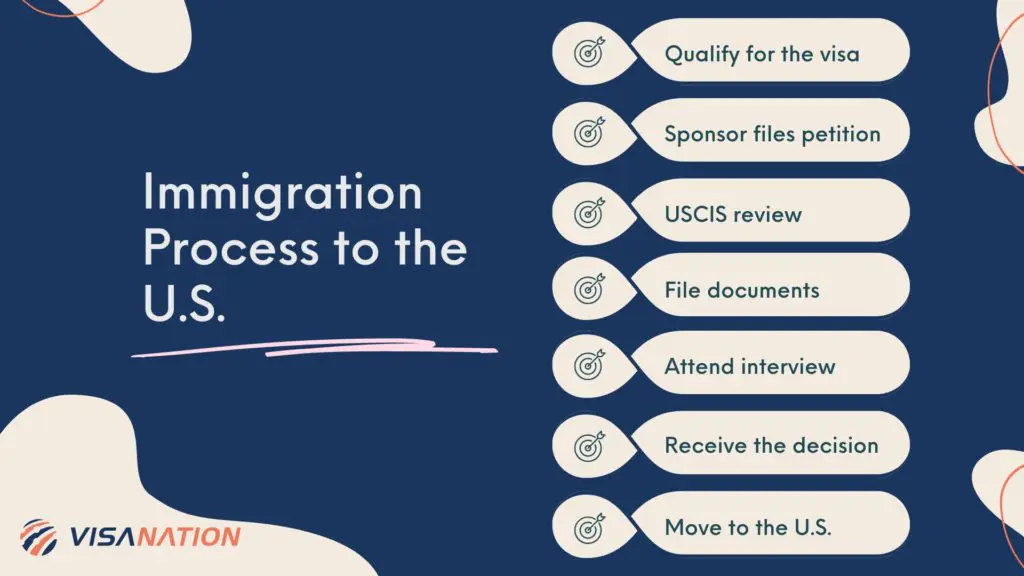
The United States does not offer a single “fast-track” immigration route that guarantees instant citizenship. Instead, citizenship is achieved through a step-by-step legal process, beginning with lawful entry, followed by permanent residency (green card), and finally naturalization. The speed of this process depends largely on the immigration pathway chosen, eligibility, country of origin, and compliance with all legal requirements.
This guide provides a comprehensive overview of the fastest and most reliable legal ways to relocate to the United States and achieve citizenship by or after 2026. It explains the best immigration routes, timelines, requirements, common mistakes to avoid, and strategies to shorten the journey while staying fully compliant with U.S. law.
Understanding the U.S. Immigration and Citizenship Process
Before exploring the fastest routes, it is essential to understand how U.S. immigration works. Citizenship is not granted immediately upon arrival. Instead, immigrants typically progress through three major stages:
- Lawful Entry into the United States
- Permanent Residency (Green Card)
- U.S. Citizenship through Naturalization
Each stage has its own requirements and processing times. Choosing the right pathway from the start significantly reduces delays and complications.
1. Employment-Based Immigration (Work Visas Leading to Green Cards)
Employment-based immigration is one of the fastest and most practical ways to relocate to the U.S., especially for skilled workers and professionals.
High-Demand Employment Visas
- H-1B Visa (Specialty Occupations)
- EB-2 and EB-3 Immigrant Visas
- L-1 Visa (Intra-company transfer)
- O-1 Visa (Extraordinary ability)
Many employment visas allow immigrants to transition to permanent residency while working in the U.S. Employers often sponsor green cards after a short period, which significantly accelerates the path to citizenship.
Timeline Advantage:
Some employment-based green cards allow naturalization eligibility within 5 years of permanent residency.
2. Family-Based Immigration (One of the Fastest Paths)
Family sponsorship remains one of the quickest and most secure ways to relocate and obtain U.S. citizenship.
Who Can Sponsor You
- U.S. citizen spouses
- U.S. citizen parents
- U.S. citizen children (over 21)
- Permanent resident spouses
Immediate relatives of U.S. citizens often experience shorter processing times because visa numbers are not capped.
Key Benefit:
Spouses of U.S. citizens may qualify for citizenship after just 3 years of permanent residency.
3. Diversity Visa Lottery (DV Lottery)
The Diversity Visa Lottery offers a direct path to permanent residency for eligible countries.
Why It’s Fast
- Winners receive green cards without employer or family sponsorship
- No job offer required
- Direct entry as a permanent resident
Although selection is random, successful applicants often complete the process within 12–24 months.
4. Student Visa with Transition Strategy
While student visas (F-1) do not directly lead to citizenship, they can be part of a strategic long-term plan.
Common Transition Path
- F-1 Student Visa
- Optional Practical Training (OPT)
- Employer sponsorship (H-1B or EB-3)
- Green Card
- Citizenship
This route is popular among young immigrants who want to study, gain U.S. experience, and later secure permanent employment.
5. Investment-Based Immigration
For individuals with significant capital, investment visas offer one of the fastest legal paths.
EB-5 Immigrant Investor Program
- Requires a qualifying investment
- Leads directly to permanent residency
- No employer or family sponsor required
Although expensive, this route offers predictable timelines and fewer dependency risks.
How to Obtain a U.S. Green Card Quickly
A green card (lawful permanent residence) is the key milestone toward citizenship. The fastest green card routes include:
- Marriage to a U.S. citizen
- Employment-based sponsorship in high-demand fields
- Diversity Visa Lottery
- Approved investor programs
To avoid delays:
- Submit complete and accurate documentation
- Respond promptly to immigration requests
- Avoid overstays or violations
- Maintain lawful status at all times
Meeting the Requirements for U.S. Citizenship
Once you obtain a green card, you must meet the naturalization requirements to become a U.S. citizen.
General Citizenship Requirements
- Lawful permanent resident status
- Continuous residence in the U.S.
- Physical presence requirements met
- Good moral character
- Ability to read, write, and speak basic English
- Knowledge of U.S. history and government
- Oath of allegiance to the U.S.
Citizenship Timeline
- 5 years after obtaining a green card (standard)
- 3 years for spouses of U.S. citizens
Ways to Speed Up the Citizenship Process
While timelines are regulated, immigrants can legally speed up the process by:
- Choosing immediate-relative or employment-based visas
- Filing applications early when eligible
- Maintaining consistent residence
- Avoiding criminal or immigration violations
- Preparing thoroughly for interviews and exams
Military service and special humanitarian programs may also offer expedited paths.
Common Mistakes That Delay Relocation and Citizenship
Many applicants experience delays due to avoidable errors, including:
- Submitting false or inconsistent information
- Using unlicensed immigration agents
- Missing deadlines or appointments
- Overstaying visas
- Working without authorization
Avoiding these mistakes is essential for a fast and successful immigration journey.
Living in the U.S. While Working Toward Citizenship
Relocation involves more than immigration paperwork. New immigrants must adapt to U.S. laws, employment standards, healthcare systems, and cultural norms.
Key Areas to Prepare For
- Employment eligibility verification
- Tax obligations
- Health insurance
- Housing and credit systems
- State and federal laws
Successful integration strengthens future citizenship applications.
What to Expect in 2026
In 2026, U.S. immigration remains competitive but opportunity-driven. Labor shortages, family reunification priorities, and economic growth continue to shape immigration pathways. Applicants who are well-prepared, law-abiding, and proactive stand the best chance of relocating quickly and achieving citizenship within the shortest legal timeframe.
Conclusion
Relocating to the United States quickly and achieving citizenship in 2026 is entirely possible through legal, structured, and well-planned immigration pathways. The fastest routes typically involve employment sponsorship, family-based immigration, diversity visa programs, or strategic education-to-work transitions. While no process is instant, choosing the right pathway and maintaining compliance can significantly shorten the journey.